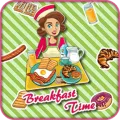
Breakfast Time: The Ultimate Culinary Morning Rush
If you think making breakfast is a relaxing way to start the day, Breakfast Time is here to prove you’re in for a frantic, high-energy challenge. This isn't just a cooking simulator; it’s a time-management puzzle that tests your ability to multitask under the pressure of a growing line of hungry customers. From flipping perfect pancakes to ensuring the coffee doesn't overflow, every second counts. What makes Breakfast Time so addictive is the "flow state" you enter—when the eggs are sizzling, the toast is popping, and you’re serving plates with rhythmic precision, it feels incredibly rewarding.
The vibrant, appetizing graphics make every dish look delicious, but don't let the cozy kitchen vibes fool you. As the morning rush hits its peak, you’ll need the coordination of a professional chef to keep everyone happy and your kitchen running smoothly.
The "Parallel Prep" Kitchen Strategy
The biggest mistake new chefs make is focusing on one order at a time. If you wait for the eggs to finish before starting the bacon, you’ll quickly fall behind. To dominate the leaderboard in Breakfast Time, you need to use the "Parallel Prep" Strategy. Always keep your appliances busy. The moment you put a pancake on the griddle, start the coffee machine and drop the bread in the toaster. Your goal is to have the "slow-cooking" items (like coffee or thick sausages) moving in the background while you handle the quick-assembly tasks. By overlapping your cooking times, you can serve entire tables at once, which often triggers a "Combo Tip" bonus that boosts your score significantly.
Head Chef’s Morning Intel (FAQs)
Q1. Why do some customers get angry even when I'm cooking as fast as I can?
Every customer has a Patience Meter (usually a green bar next to their head). If you serve one part of their order but make them wait for the rest, that bar drops faster. The trick is to wait until the entire order is ready before serving the first item. A complete breakfast served all at once resets their happiness more effectively than piecemeal serving.
Q2. How do I prevent food from burning when the kitchen gets crowded?
Listening is just as important as looking! Breakfast Time features distinct sound cues—the "ding" of the toaster or the change in the sizzle of the eggs. Train your ears to recognize these sounds so you can flip or remove food without having to look directly at the stove. If a station starts smoking, tap it immediately to save the dish before it turns into a loss.
Q3. Should I spend my coins on new recipes or faster equipment?
Always prioritize "Efficiency Upgrades" first. A faster coffee machine or an extra frying pan will help you clear levels much more easily than a new, complex recipe that takes longer to prepare. Once your kitchen is a "well-oiled machine," then you can start adding fancy toppings and expensive side dishes to increase your profit per plate.

















 Action & Adventure
 Arcade & Run
 Puzzle & Logic
 Sports & Racing
 Casual & Fun